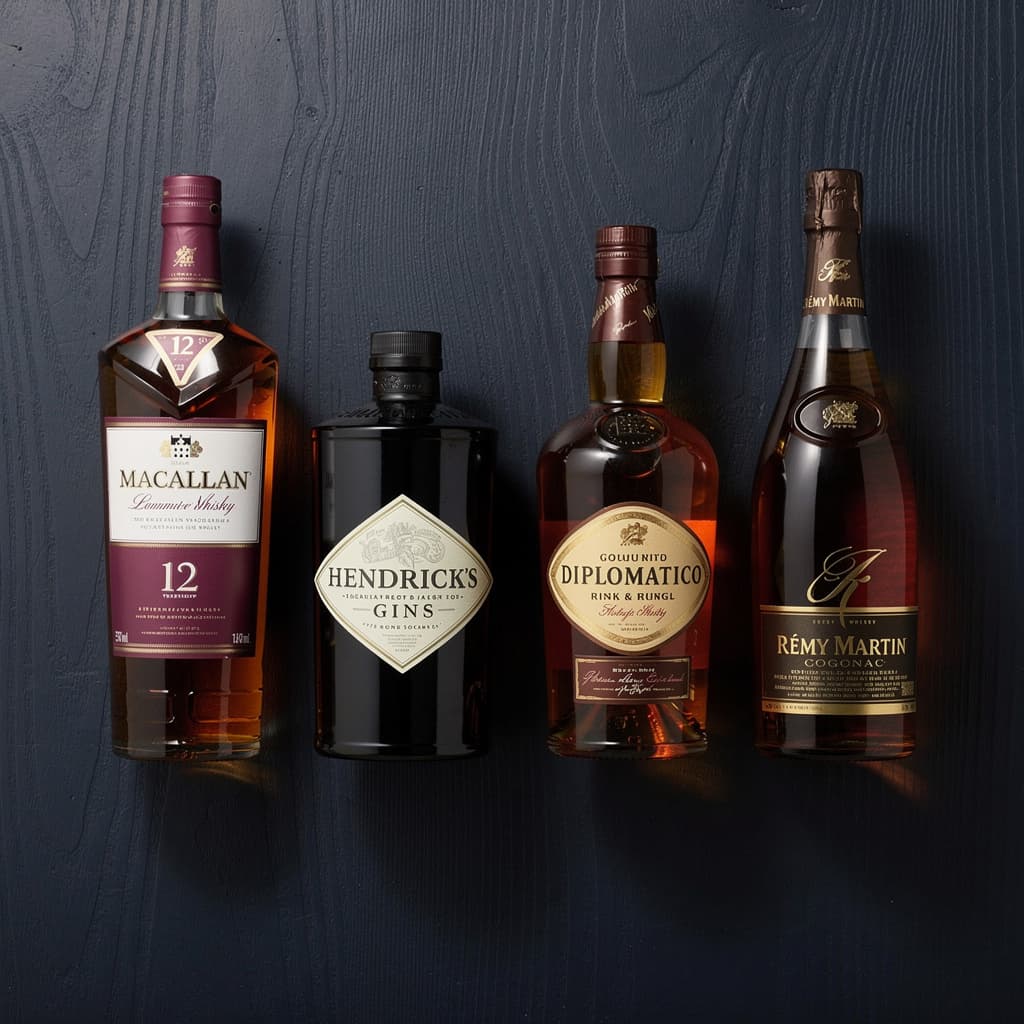
Spirits Collector's Guide: Where to Start in 2026?
Building a spirits collection is a long game. Single malt whisky, aged rum, botanical gin, vintage cognac: the map is huge. This guide gives you a clear path to start, structure, and grow without losing track of what you own and why it matters.
What Is a Spirits Collector?
A casual buyer picks bottles to open soon. A collector thinks in terms of distillery story, limited releases, themes, and long-term condition. Many people sit somewhere in between, and that is fine.
Motivation usually blends three forces: passion for flavor and heritage; investment in bottles that may appreciate; and community, whether tastings with friends or online groups. Profiles range from beginners exploring styles to intermediate fans who go deep on one region or house, up to experienced collectors who weigh rarity, provenance, and resale liquidity.
The scene is global. Tasting clubs, forums, auctions, and social feeds connect collectors from Scotland to Kentucky to the Caribbean. A confusing label is rarely a solo problem for long.
Which Spirits Should You Collect First?
Whisky and bourbon lead many high-profile collections. Liquidity is relatively strong, reference material is easy to find, and limited editions attract serious attention. Buy a few benchmark bottles before you chase unicorns.
Rum is rising fast across agricole, aged column-still releases, and craft distillery experiments. Learning curve: steep. Upside: outstanding bottles still exist at friendlier prices than ultra-premium whisky.
Gin rewards collectors who love botanical diversity. The category spans classic London dry to experimental profiles that barely resemble one another. A compact shelf can still tell a wide story.
Cognac and Armagnac anchor French tradition: vintage years, grande maison releases, and small-batch gems. They balance a cellar that skews too heavily toward New World whiskey.
Limited and vintage releases can appreciate, but hype alone is not enough. Real demand, authenticity, and condition drive long-term outcomes.
Practical tip: rotate categories based on what you genuinely enjoy drinking. A purely speculative stash often exits at the wrong moment.
How Do You Value a Spirits Collection?
Key drivers include stated age, distillery reputation, batch or edition details, capsule and label condition, original packaging, and purchase proof. A sealed bottle with intact presentation usually commands more than an open bottle, except in legendary cases where provenance and authenticity dominate the story.
Watch secondary market sales and auctions, always net of fees. Price aggregators give a useful range, not a guaranteed resale price.
Keep boxes, booklets, and labels pristine. That detail can mean hundreds of dollars or pounds at resale.
A bottle tracker or spirits collection app centralizes purchase history, photos, and an estimated value you can refresh over time. Beyond a handful of bottles, memory is not a strategy.
Alcotheque is the iOS app built for spirits collectors. Whether you collect whisky, rum, gin, or cognac, a single scan adds a bottle to your inventory. AI extracts the name, type, and estimated value automatically. You organize by location, track each bottle's history, and see your cellar's total value in real time. Alcotheque is the only app that handles all your spirits and your wine in one unified interface.
How Should You Organize a Spirits Collection?
Create dedicated spaces: cellar, home bar, closed cabinet. Avoid direct light and wild temperature swings next to windows or radiators.
Sort by category (whisky, rum, gin, cognac), region, or distillery, whichever helps you find a bottle in seconds.
Track status: sealed, open, gifted, finished. Without that ledger, you duplicate purchases or open bottles you meant to keep sealed.
Past roughly twenty bottles, a digital inventory turns from nice-to-have to essential. Photos, dates, locations, and tasting notes prevent expensive mistakes.
How Do You Protect and Insure a Collection?
Storage basics: a stable spot, broadly around 15 to 20 °C as a practical band, low light, and moderate humidity if you store long-term under natural cork. Store upright unless the producer clearly advises otherwise for very old releases.
Specialist insurance makes sense when total value crosses what your home policy clearly covers. Keep receipts and photograph condition.
Maintain a written inventory and dated photos, backed up to the cloud. After a loss, clean documentation speeds claims and proves what you owned.
How Do You Join the Collector Community?
Join local clubs or tasting societies. Guided flights and group buys open doors that retail alone cannot.
Engage in forums and online groups: label ID, release notes, and honest quality talk beat marketing copy.
Attend trade shows and tasting events. Palate training beats every ranking list.
Share samples and discoveries with people you trust. The hobby grows through honest conversation, not gatekeeping.
Conclusion: The Indispensable Tool for the Modern Collector
Lead with enjoyment. Build your inventory early. Protect bottle condition. Diversify without scattering focus. Value often follows clarity of intent and quality of records.
When you are ready to scale without friction, Alcotheque unites wine and spirits in one iOS experience: AI scanning, locations, gift tracking, and a live view of total collection value. Download the app, scan your first bottle, and your cellar finally becomes legible at a glance.
How to Track Your Collection Without Losing Your Mind
Most collectors start with good intentions: a notebook, a spreadsheet, maybe a few sticky notes. Then the collection grows past twenty bottles and the system breaks down.
The problem is not discipline — it is that manual tracking does not scale. A dedicated app solves four specific problems that notes and spreadsheets cannot:
Duplicates. Without a searchable inventory, you will buy a bottle you already own. It happens to every collector eventually. A quick search on your phone at the shop prevents an embarrassing and expensive mistake.
Gift records. Who gave you that Nicaraguan rum three birthdays ago? Without a record, the memory fades. Logging the giver's name and occasion takes ten seconds and becomes genuinely useful years later.
Location confusion. Once you have a cellar, a home bar, and a few bottles in the living room, knowing exactly where something is stored matters. A location-based inventory tells you at a glance.
Value awareness. Most collectors have no idea what their collection is worth until they sit down and add it up. Real-time estimated value in an app turns a vague feeling into a concrete number you can actually use — for insurance, for decisions, for motivation.
Building a Collection That Lasts: Practical Principles
After the first rush of buying, most collectors hit a plateau. Here is what separates collections that grow meaningfully from those that stagnate or shrink:
Buy what you would open. A collection built entirely around resale speculation is exhausting. The best collections mix bottles you genuinely want to drink with a smaller number of long-term holds.
Document from day one. The bottle you buy today is harder to document in two years. Scan it when you get home, add the purchase price, note where you found it. Five minutes now saves significant frustration later.
Focus before you diversify. Going deep on one category — say, independent bottlers of Speyside whisky, or French agricole rum — builds real knowledge faster than buying randomly across every style. Expertise makes you a better buyer.
Accept that tastes change. A collection is not a monument. Bottles you no longer want can be traded, shared, or enjoyed without guilt. The goal is a living inventory that reflects who you are as a collector right now.
Frequently Asked Questions
Where do I start if I have never collected spirits before? Pick one category you already enjoy drinking — whisky, rum, gin, or cognac — and buy three to five bottles across different styles or regions. Learn those before expanding. Starting narrow builds genuine taste memory faster than buying randomly.
How many bottles do I need before I need an app? Most collectors find that fifteen to twenty bottles is the tipping point. Below that, a list works fine. Above that, a searchable digital inventory with photos and locations saves real time and prevents real mistakes.
Is it worth buying limited edition bottles purely as an investment? Occasionally, but rarely as a primary strategy. Most limited releases do not appreciate significantly. Buy bottles you would be happy to open if the resale market disappoints — that way you always win.
What is the best way to store spirits long term? Keep bottles upright, away from direct light, at a stable temperature roughly between 15 and 20 °C. Avoid storing near windows, radiators, or anywhere that experiences wide temperature swings. Sealed bottles in original packaging retain value best.
How do I know if a bottle I own is rare or valuable? Check recent secondary market sales on specialist auction sites. Price aggregators give a useful range. Condition, original packaging, and authenticity documentation all affect real-world value significantly.
Can I manage wine and spirits in the same app? Yes — Alcotheque is built specifically for collectors who own both. Wine and spirits live in the same inventory, scanned with the same AI, organized by the same location system.
Related articles
By Kevin, Founder of Alcotheque.