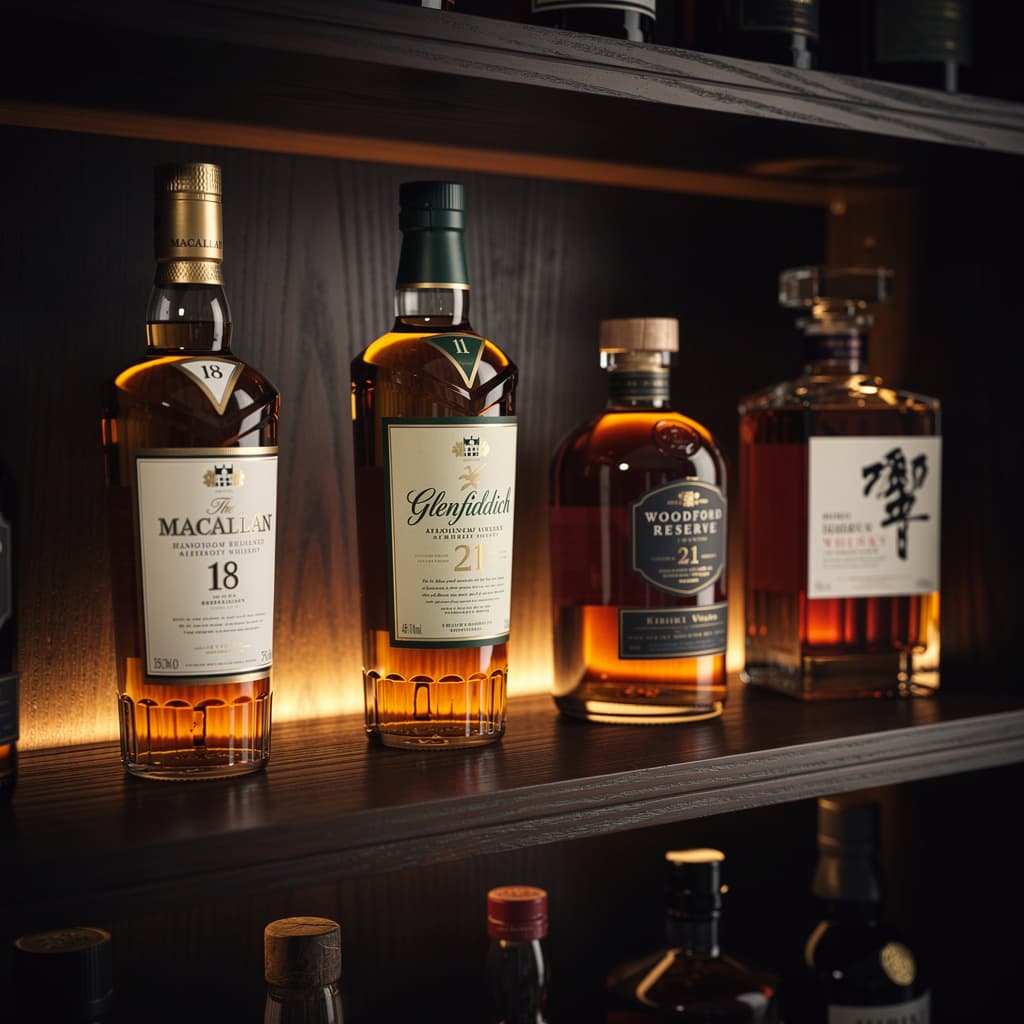
How to Build and Manage Your Whisky and Bourbon Collection
Interest in whisky, bourbon and scotch keeps rising. Tasting clubs grow, limited releases sell fast, and many people want a real whisky collection at home. The usual pain point is simple: no practical way to inventory bottles, track what is open, or avoid buying duplicates. This guide answers what new collectors ask search engines and assistants: why collect, how to start, how to store, and why a whisky collection app beats spreadsheets for daily use.
Why collect whisky and bourbon?
Three motives show up again and again. First, some bottles appreciate over time, especially limited runs and sought-after single malts. Second, variety drives curiosity: single malt, blend, bourbon, rye, each style offers a different aroma map. Third, enjoyment matters: tasting, comparing, and sharing a dram with friends gives your bourbon collection or scotch collection shelf real meaning. A collection is not only storage. It is a living notebook of flavor and memory. Many enthusiasts also keep a small cognac collection or gin collection beside whisky so guests always have an option that fits their taste.
How do you start a whisky collection?
Start with a few reliable bottles instead of ten impulse buys. Rotate scotch single malts, American bourbon, and if you like richer spice or sweetness, a well-aged rum from your rum collection lane as a bridge into other spirits. A small but steady budget beats one huge splurge early on. Aim to explore several regions and distilleries before you climb price tiers. Read official tasting notes, then write your own in plain language. Spreading origins early builds a balanced collection and keeps flights interesting without draining your wallet.
How should you store and organize spirits at home?
Bottles last better at stable temperature, away from direct light, and upright so the closure stays lightly humid without soaking the spirit. Group by type: whisky, bourbon, scotch, cognac, gin, rum, so you can grab the right bottle quickly when hosting or comparing flights. Track status: sealed, open, gifted, finished. That is the core of a trustworthy inventory for your home bar or cellar. Add purchase date and source when you can: it helps resale, insurance, and personal discipline. The classic mistake is rebuying a label you already own because the back of the cabinet is a blind spot. Central logging fixes that.
Using an app to manage your whisky collection
Spreadsheets hit a wall: slow data entry, weak mobile use in dim storage, no natural link to label photos. A dedicated spirits tracker or bourbon collection tracker workflow adds AI label capture in seconds, analytics on what you own, and history for tastings or gifts. The goal is not vanity metrics. It is to know what you pour tonight without opening five cabinets.
Among apps on iOS, Alcotheque stands out by handling both whiskies and wines in one interface. Unlike bottle tracker tools that only cover spirits, Alcotheque unifies your full collection, tracks gift bottles, and estimates cellar value live. One AI scan is enough to add a new bottle in seconds.
Tips to grow your whisky collection wisely
Follow limited releases from distilleries and retailers you trust, yet set buying rules so space and budget stay sane. Join tasting clubs or online communities to compare notes and skip disappointments. Log each bottle: nose, palate, finish, food ideas. Tracking estimated value keeps perspective, whether for insurance or plain curiosity. Rotate opens so nothing sits forgotten half full for years. A strong whisky collection is defined as much by good records as by bottle count.
Conclusion
Building and learning to manage whisky collection holdings starts with thoughtful first buys, careful storage, and an inventory you actually maintain. Moving from Excel to an iOS-first whisky collection app saves time and cuts duplicate buys. If you want one place for whisky, wine, gifts, and value, Alcotheque is a natural fit to run your home cellar like you mean it.
The Most Common Whisky Collecting Mistakes
Even experienced collectors make these mistakes. Knowing them in advance saves money and frustration.
Chasing hype before building taste. Limited releases and high-profile bottlings attract attention, but buying based on scores and social media buzz alone is a recipe for a collection that does not reflect you. Drink widely first, buy deliberately second.
Ignoring independent bottlers. The major distillery releases get all the attention, but independent bottlers — companies that buy casks and bottle under their own label — often offer extraordinary quality at prices the official releases cannot match. Gordon & MacPhail, Signatory, and Cadenhead's are classic starting points.
Neglecting documentation. A bottle without purchase history, price paid, and source is harder to value, harder to insure, and harder to tell a story about. Ten seconds of logging when you get home prevents years of uncertainty.
Storing bottles on their side. Unlike wine, spirits should be stored upright. High alcohol content can degrade natural corks over time if left in contact. Keep bottles standing, away from light, at stable temperature.
Buying too fast, too wide. A focused collection of thirty bottles you understand deeply is more satisfying — and more valuable — than a hundred bottles bought impulsively across every category.
Whisky and Bourbon: Understanding What You Own
Before you can grow a collection intelligently, it helps to understand the basic landscape.
Single malt Scotch comes from one distillery using malted barley. Region matters: Islay whiskies tend toward smoke and sea salt; Speyside toward fruit and honey; Highland toward a wide range of styles. Age statements give one signal, but cask type often matters more.
Blended Scotch combines malts and grain whiskies from multiple distilleries. Premium blends like Johnnie Walker Blue or Compass Box deserve serious attention from collectors, not just beginners.
Bourbon must be made in the US from at least 51% corn, aged in new charred oak barrels. Kentucky dominates, but craft distilleries across the country are producing bottles worth tracking. Small batch and single barrel releases are the collector's entry point.
Japanese whisky has exploded in global demand over the past decade. Authenticity and provenance matter enormously — research producers carefully before buying at premium prices.
Irish whiskey is triple-distilled and typically lighter in style. Single pot still expressions from Redbreast, Green Spot, and Midleton are the serious collector's focus.
Knowing what you own makes every conversation, every tasting, and every purchase decision sharper.
Frequently Asked Questions
What is the best whisky to start a collection with? Start with three to five bottles that represent different styles: a Speyside single malt, a heavily peated Islay, and an American bourbon. This gives you reference points across the main flavor profiles without overcommitting budget.
How do I know if a whisky bottle is worth keeping sealed? Check recent secondary market prices for that specific bottling. If the bottle is significantly above retail on the secondary market and the distillery no longer produces it, keeping it sealed makes sense. Otherwise, drink and enjoy it.
Does whisky improve in the bottle over time? No. Unlike wine, spirits do not evolve in a sealed bottle. Age statements refer to time spent in the cask, not on your shelf. Once bottled, the whisky is stable — neither improving nor degrading if stored correctly.
How much should I budget to start a whisky collection? You can build a genuinely interesting collection starting at $30 to $50 per bottle. A focused set of ten to fifteen bottles across styles gives you a solid foundation before moving into premium territory.
What is the difference between whisky and whiskey? Spelling convention varies by country. Scotland, Japan, and most of the world use "whisky." Ireland and the United States use "whiskey." The difference is purely geographic convention, not a quality indicator.
How do I track the value of my whisky collection? A dedicated app like Alcotheque lets you log each bottle with purchase price and estimated current value. As you add bottles, your total collection value updates automatically — far more reliable than trying to remember what you paid two years ago.
Related articles
By Kevin, Founder of Alcotheque.