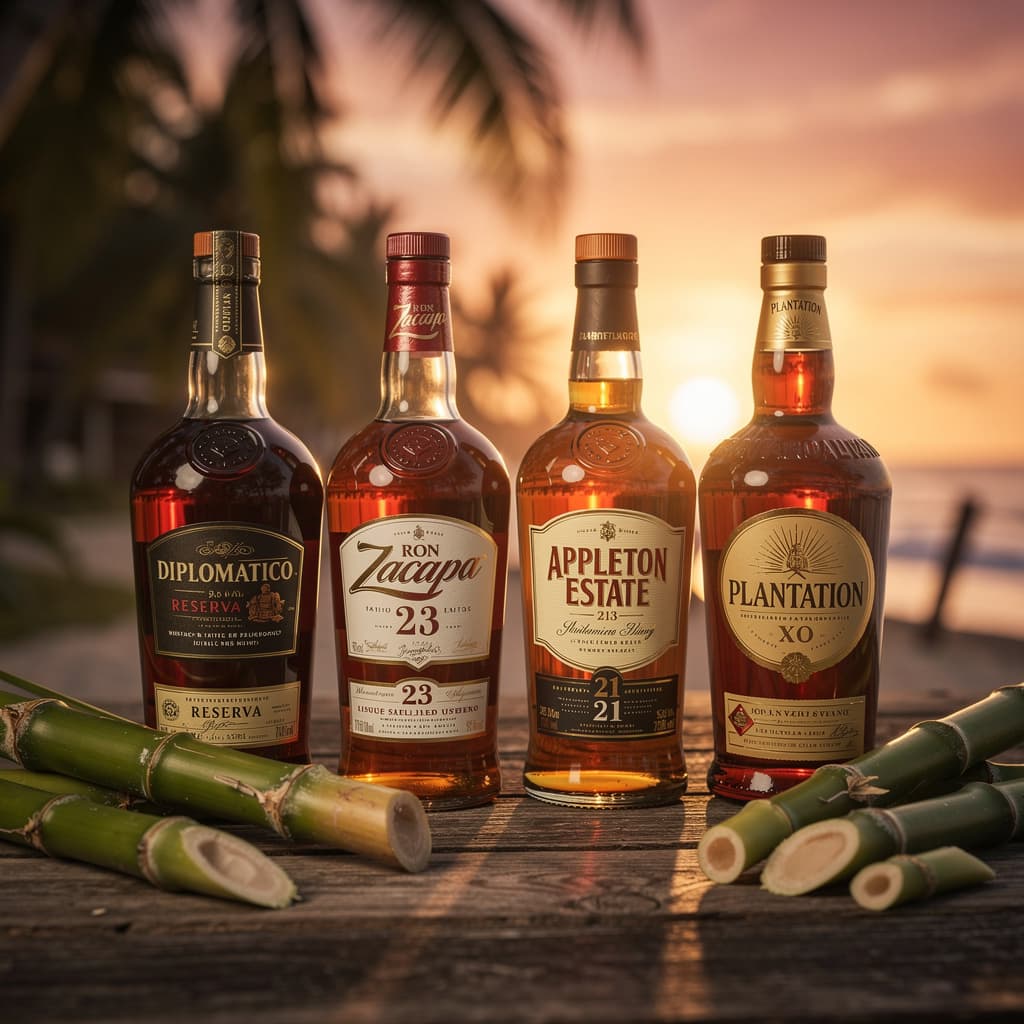
How to Manage Your Rum Collection: The Collector's Guide
Rum sits among the fastest-growing spirits for serious home collectors in the UK, the US, and much of Europe. From agricultural rum in Martinique to high-ester Jamaican bottlings, the category is huge. The issue is familiar: without the right tool, a rum collection turns into clutter. Duplicates, half-forgotten opens, a rum cellar that punishes every search. This guide answers what people already ask search engines and assistants: why collect rum, what to buy, how to store, and how to run a rum collection tracker without living inside a spreadsheet.
Why collect rum?
Four motives come up again and again. First, variety is unmatched: agricultural rum, molasses rum, aged rum, white, spiced, each lane maps different aromas. Second, limited releases can gain scarcity and pull in collectors who care about provenance, not only hype. Third, geography matters as much as for whisky: Martinique, Guadeloupe, Jamaica, Cuba, Barbados, Reunion Island each signals a style. Finally, enjoyment wins: tasting, comparing, and sharing a bottle gives the rum collection meaning beyond shelf space. Collect rum to learn terroir in liquid form.
What types of rum belong in a balanced collection?
A smart rum collection mixes styles and origins. Agricultural rum from AOC Martinique is a cornerstone for many enthusiasts: cane-forward rules, clear identity, serious regulation. Aged rum brings vintage thinking, cask stories, and limited runs worth documenting. Jamaican rum often delivers the fruity and funky notes collectors chase in flights. Cuban-style bottlings stay light and elegant for different palates. English-speaking islands, Barbados, Trinidad, Jamaica, round out the map beside French overseas styles. The same rum cellar can naturally hold whisky, cognac, and gin: one discipline for labels and service, many flavor worlds. Your inventory should reflect the full spectrum, not one island only.
How should you store a rum collection?
Storage sets the shelf life of aroma. Aim for 15 to 20 °C with minimal daily swing. Keep bottles away from direct light, especially clear glass. Store upright, unlike wine: the closure should not soak in spirit long term. Check caps, wax, and seals: anything that slows evaporation protects your aged rum investment. Organize by region or style: agricultural rum together, whites and aged rum in clear groups. A readable rum cellar beats digging through unlabeled boxes at midnight.
How do you organize and track a rum collection?
The classic mistake is stacking bottles with no trustworthy inventory. Excel works for a month, then breaks: clumsy photos, painful mobile entry, weak history in dim storage. Your workflow should include a rum collection app or rum collection iOS tool with AI label capture, structured records, and analytics on estimated value. For a bottle tracker that behaves like a pro tool, skip half measures. Alcotheque is the ideal iOS app for rum collectors. Its AI scanner automatically reads labels on agricultural rum, Jamaican releases, or limited editions. You organize by location (cellar, home bar, living room), track gift bottles, and see estimated cellar value in real time. Alcotheque also handles whisky, cognac, and gin in the same interface. That is the direct answer when someone asks how to manage spirits collection without losing the thread.
Which bottles should beginners prioritize?
Without naming brands, five lanes help you start. A fresh white rum for cocktails and highballs. An agricultural rum, young or aged, to anchor French-style cane character. An aged rum with real barrel time to taste wood and maturity. A typical Jamaican profile for intensity and funk. A softer island style to balance flights and guests. Split budget across entry, mid, and a few premium picks: limited and vintage releases reward you when you log purchase date and condition. Collect rum with a plan and you avoid ten bottles that all taste the same.
How do you grow a rum collection the right way?
Join clubs and tasting groups: peers surface releases you would miss alone, including bourbon and whisky crossovers worth knowing. Follow distilleries and bottlers on social for short runs that sell fast. Log every tasting: nose, palate, serve temperature, food idea, even in two sentences. Use a rum tracker app so estimated value stays honest when you reorganize the rum cellar or log a gift. A serious rum collection app is not vanity. It is clarity.
Conclusion
To manage spirits collection around rum, focus on three habits: varied buying (including agricultural rum and aged rum), stable storage, and an inventory you actually maintain. Move from spreadsheets to a rum collection app with a real bottle tracker workflow and you save time, cut duplicates, and see your rum collection whole. Alcothèque unifies rum, whisky, cognac, and gin for daily collector use.
Rum by Region: A Collector's Map
Geography is everything in rum. Unlike whisky, which clusters around a handful of countries, rum spans the entire tropical world. Understanding regional identity makes you a sharper buyer.
Martinique and Guadeloupe produce AOC-regulated agricultural rum made directly from fresh sugarcane juice. The result is grassy, vegetal, and distinctly cane-forward. Martinique's AOC system is one of the strictest in the spirits world — a genuine quality guarantee.
Jamaica is famous for high-ester rums with funky, fruity, and intensely aromatic profiles. Distilleries here use traditional pot stills and long fermentation to produce some of the most complex rums in the world. Jamaican rum is a must in any serious collection.
Barbados produces elegant, balanced rums with both pot and column still distillation. It is often considered the birthplace of rum and remains a benchmark for approachable, refined style.
Cuba gave the world the Havana style: light, clean, and cocktail-friendly. Cuban rum is essential for understanding the category's global reach.
Réunion Island is France's other AOC rum territory, producing agricultural rums that rival Martinique in quality but remain less well known — making them interesting collector finds.
Trinidad and Guyana produce rich, molasses-forward rums with deep color and complexity. Demerara rums from Guyana, distilled on historic wooden stills, are among the most collectible bottles in the entire category.
Central America — Guatemala, Panama, Nicaragua — produces column-still rums that appeal to collectors who enjoy softer, sweeter, and wood-driven profiles.
Building a Rum Collection That Reflects You
Rum is personal. More than almost any other category, your collection ends up reflecting your taste, your geography, and your philosophy about what makes a great spirit.
Start with a regional anchor. Pick one origin you genuinely love and go deep before expanding. If you enjoy agricultural rum, explore the full range of Martinique expressions before jumping to Jamaica. Depth beats breadth in the early stages.
Mix vintage and current releases. Some of the most interesting rum bottles are older expressions — distilled decades ago and released by independent bottlers. These vintage rums tell a different story than current releases and add historical depth to any collection.
Think about opened versus sealed. For bottles you plan to eventually drink, document the opening date and track how the rum evolves over weeks. For bottles you want to keep as collector pieces, sealed condition and original packaging matter enormously.
Log gifts carefully. Rum makes an excellent gift. When someone gives you a bottle, record who gave it, when, and the occasion. That information turns a bottle into a memory — and Alcotheque's gift tracking feature was built exactly for this.
Set a value target. Knowing the estimated total value of your rum collection is genuinely useful — for insurance, for personal satisfaction, and for making smarter buying decisions. An app that tracks value automatically removes the guesswork.
Frequently Asked Questions
What is the difference between agricultural rum and traditional rum? Agricultural rum (rhum agricole) is distilled from fresh sugarcane juice, giving it a grassy, vegetal, and cane-forward character. Traditional or industrial rum is distilled from molasses, a byproduct of sugar production, producing a richer, sweeter, and more rounded profile. Both styles are worth collecting.
Does rum age well in the bottle once purchased? No. Like other spirits, rum does not evolve once bottled. The age statement on a bottle refers to time in the cask, not on your shelf. Sealed bottles remain stable for many years if stored correctly, but do not improve beyond their bottling condition.
Which rum region should a new collector start with? Martinique agricultural rum is an excellent starting point for European collectors — regulated, distinctive, and widely available. Jamaican rum is the best entry point for collectors who want intensity and complexity from the first bottle.
How do I avoid buying duplicate bottles? A searchable digital inventory is the only reliable solution. With a rum collection app on your phone, you can check your existing bottles in seconds before buying — whether you are in a specialist shop or at a tasting event.
Are limited edition rums worth the premium price? Sometimes. Limited releases from respected distilleries or independent bottlers with documented provenance can hold or increase in value. However, most limited editions are worth buying primarily because you want to drink them — not as a financial investment.
Can I manage an international rum collection across multiple storage locations? Yes. Alcotheque's location management feature lets you organize bottles by specific storage spots — cellar, home bar, living room, or any custom location you define. Your full rum collection stays visible across all locations in one interface.
Related articles
By Kevin, Founder of Alcotheque.