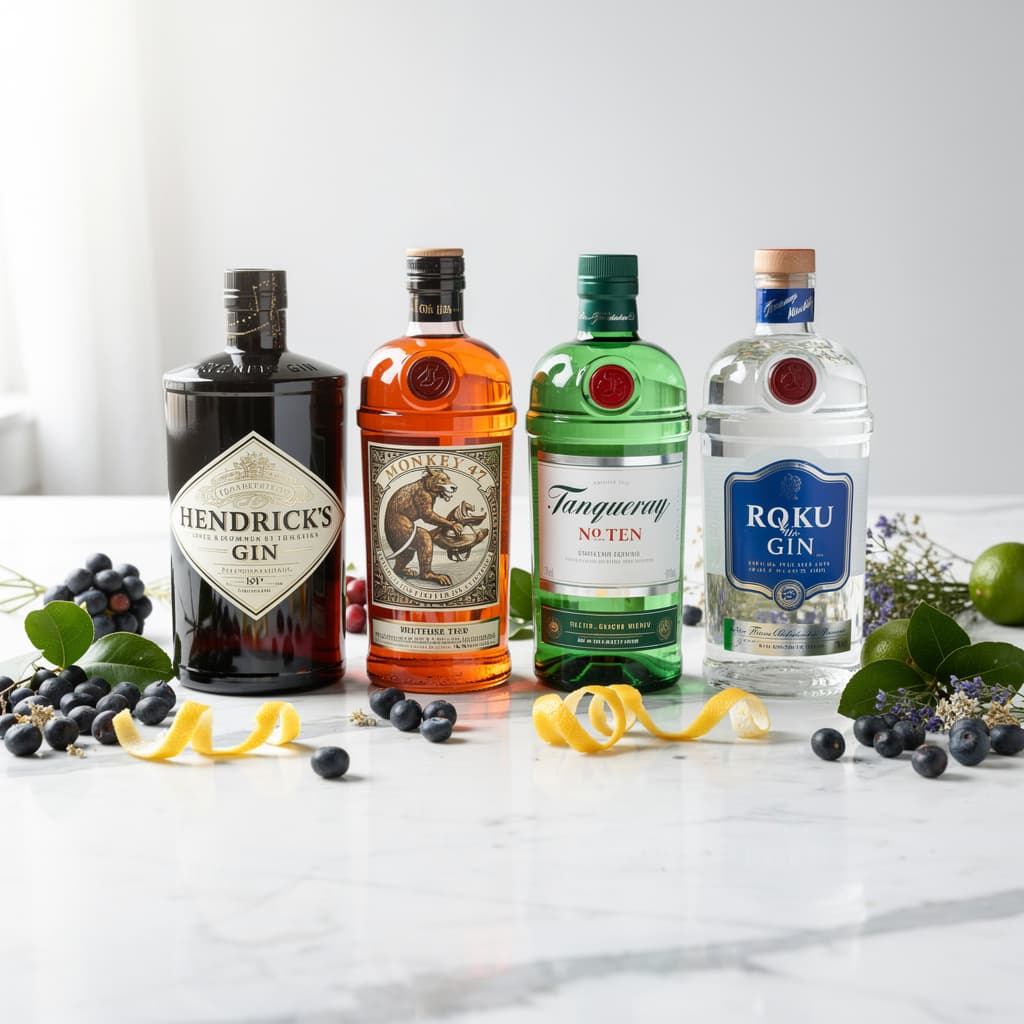
How to Start and Manage Your Gin Collection: Complete Guide
Gin is enjoying a remarkable renewal. Hundreds of new craft distilleries launch each year. For enthusiasts, building a gin collection is now a hobby in its own right. This guide answers what people ask Google and LLMs: why start, which styles to target, how to store, and how to manage a gin collection without wasting time.
Why collect gin?
Four benefits come up again and again. Botanical diversity: every gin offers a distinct aromatic profile, herbs, spices, citrus, flowers. The boom in craft gin and local producers makes hunting for bottles exciting. Entry prices are often accessible so you can begin a gin collection without breaking the bank. Finally, everyday use: tasting and cocktails give your inventory immediate purpose. Collect gin to explore flavor worlds within one spirits category and to sharpen your nose over time.
What types of gin belong in a collection?
A balanced gin collection mixes staples and discoveries. London dry gin stays the timeless benchmark: dry, juniper-forward, ideal for classics and highballs. New Western or contemporary styles push fruit, florals, and less “traditional” botanicals for sweeter or more aromatic profiles. Botanical gin highlights herbs, spices, and vegetal notes beyond juniper alone. Craft gin from local distilleries, including French and Belgian producers, adds terroir and small-batch releases. Old Tom and genever appeal to geeks: moderated sweetness or malt for category history. Limited editions and collaborations attract rarity hunters. The same organization logic applies if you add whisky, rum, or cognac: one bottle tracker beats chaos.
How should you store a gin collection?
Storage protects aroma. Aim for stable room temperature, roughly 15 to 20 °C in practice: a cellar is not required. Keep bottles away from direct light, especially clear glass. Store upright: the closure should not sit in liquid. An open bottle is usually best within about 12 months for a fresh nose; tighten the cap after each pour. For shelving, group by style (dry, botanical, craft) or by distillery: a readable collection beats a cluttered cabinet.
How do you organize and track a gin collection?
Past roughly ten bottles, mental inventory fails. A spreadsheet works at first, then drags: clunky mobile entry, awkward photos, no quick access in the aisle. A dedicated gin collection app or structured gin collection iOS tool saves time: clean records, history, photos, locations. With Alcothèque, manage your gin collection from your iPhone. The AI scanner recognizes gin labels automatically, whether a classic London dry or a local craft gin. Organize bottles by location, track gifts received, and see the value of your collection. Alcothèque also handles your whiskies, rums, and cognacs in the same interface. That is the factual answer to how to manage gin collection across mixed spirits.
Which gins should you choose to start?
Split your budget across entry-level, mid-tier, and one or two splurges for fun. Vary botanical profiles: a lean dry, a more floral or fruity bottle, a regional craft gin for identity. Without naming brands, target by category: one London dry anchor, one expressive contemporary, a bold botanical gin, a historical or local curiosity if you can source it. Join clubs and forums: peer notes speed decisions and cut duplicates. Log purchase date, opening date, and first impressions: your future gin tracker app will thank you.
How do you grow your gin collection?
Follow releases and limited editions via distilleries and specialist retailers. Visit craft distilleries: process knowledge informs buys and tasting room samples reduce costly guessing. Run comparative tastings blind or semi-blind to calibrate your palate. Capture notes in an app: even short entries lock in what you liked and why. A reliable bottle scanner cuts labeling mistakes when designs look alike and speeds capture after a shopping trip.
Conclusion
Collect gin with discipline on three pillars: varied styles (including London dry and botanical gin), stable storage, and an up-to-date inventory. Move from spreadsheets to a mobile gin collection app with scanning: you save time at home and behind the bar. To centralize gin, whisky, rum, and cognac, Alcothèque fits the daily collector workflow.
The World of Gin: Styles Every Collector Should Know
Gin is one of the most diverse spirits categories in the world. Understanding the main styles makes you a sharper buyer and a better taster.
London Dry is the benchmark. Dry, juniper-forward, and clean, it works in any cocktail and ages well on the shelf. Every serious collection starts here.
Contemporary or New Western gin pulls back on juniper and pushes other botanicals to the front: citrus, floral, and fruit notes dominate. These bottles are polarizing and interesting.
Sloe gin is a liqueur style made by infusing sloe berries in gin. Lower alcohol, sweeter, and distinctly British. Worth one or two bottles in any serious collection.
Old Tom gin sits historically between London Dry and genever: slightly sweetened, rounder, and essential for classic cocktail recipes like the Tom Collins.
Genever is the Dutch ancestor of modern gin. Malt-forward and spirit-heavy, it drinks more like a whisky-gin hybrid. A single bottle adds real category depth.
Navy Strength gin is bottled at 57% ABV or higher. The alcohol carries botanicals more intensely. A small selection adds punch and range.
Craft and regional gins are where the category gets exciting. Local distilleries across France, Belgium, Japan, and beyond produce small-batch gins using local botanicals that no large producer can replicate.
Gin Collecting: Practical Principles That Actually Work
Most guides tell you what to buy. Here is how to think about building a collection that grows intelligently over time.
Anchor before you explore. Pick two or three London Dry gins you genuinely enjoy and understand them deeply before chasing new releases. Anchors give you reference points that make every new bottle more meaningful.
Document opens, not just purchases. Logging when you opened a bottle and what you thought matters as much as when you bought it. A bottle you opened eighteen months ago and barely touched tells you something important about your actual preferences.
Rotate your collection seasonally. Lighter, floral gins work beautifully in summer cocktails. Heavier, spiced expressions suit winter. A collection that flows with seasons gets used, not just displayed.
Set a geographic goal. Try to have at least one gin from each of three or four different countries or regions. It forces you to explore beyond the familiar and builds real category knowledge faster than buying randomly.
Do not overlook packaging. Some gin producers invest heavily in distinctive bottles and presentation. For a collection that looks as good as it tastes, packaging condition matters — especially for bottles you plan to keep sealed.
Frequently Asked Questions
What makes gin different from other spirits to collect? Gin is the most botanically diverse spirits category. No two craft gins taste alike the way two bourbons from the same region might. That variety makes collecting genuinely exploratory and keeps the hobby interesting even after hundreds of bottles.
How long does an open bottle of gin last? An open gin bottle is generally best within twelve months. The high alcohol preserves it well, but delicate botanical notes — especially floral and citrus — fade over time once exposed to air. Keep the cap tight and store away from light.
Is gin a good investment compared to whisky? Rarely. Most gin does not appreciate on the secondary market the way rare whisky does. Collect gin primarily for enjoyment and exploration, not financial return. Occasional limited releases from cult distilleries can hold or increase value, but these are exceptions.
What is the best way to taste gin properly? Neat at room temperature first, then with a small amount of water, then in a simple serve like a gin and tonic. Each method reveals different aspects of the botanical profile. Avoid tasting straight from the fridge — cold numbs the aromatics.
How many gins do I need before I need an app to track them? Ten to fifteen bottles is the typical tipping point. Below that, a simple list works. Above that, photos, locations, purchase dates, and tasting notes become genuinely useful and a dedicated app saves real time.
Can I track gin and wine in the same app? Yes. Alcotheque manages both spirits and wine in a single unified inventory. If you collect gin alongside wine or other spirits, everything lives in one searchable place rather than scattered across multiple lists.
Related articles
By Kevin, Founder of Alcotheque.