Rum Collection Insights: What Your Bottles Really Tell You
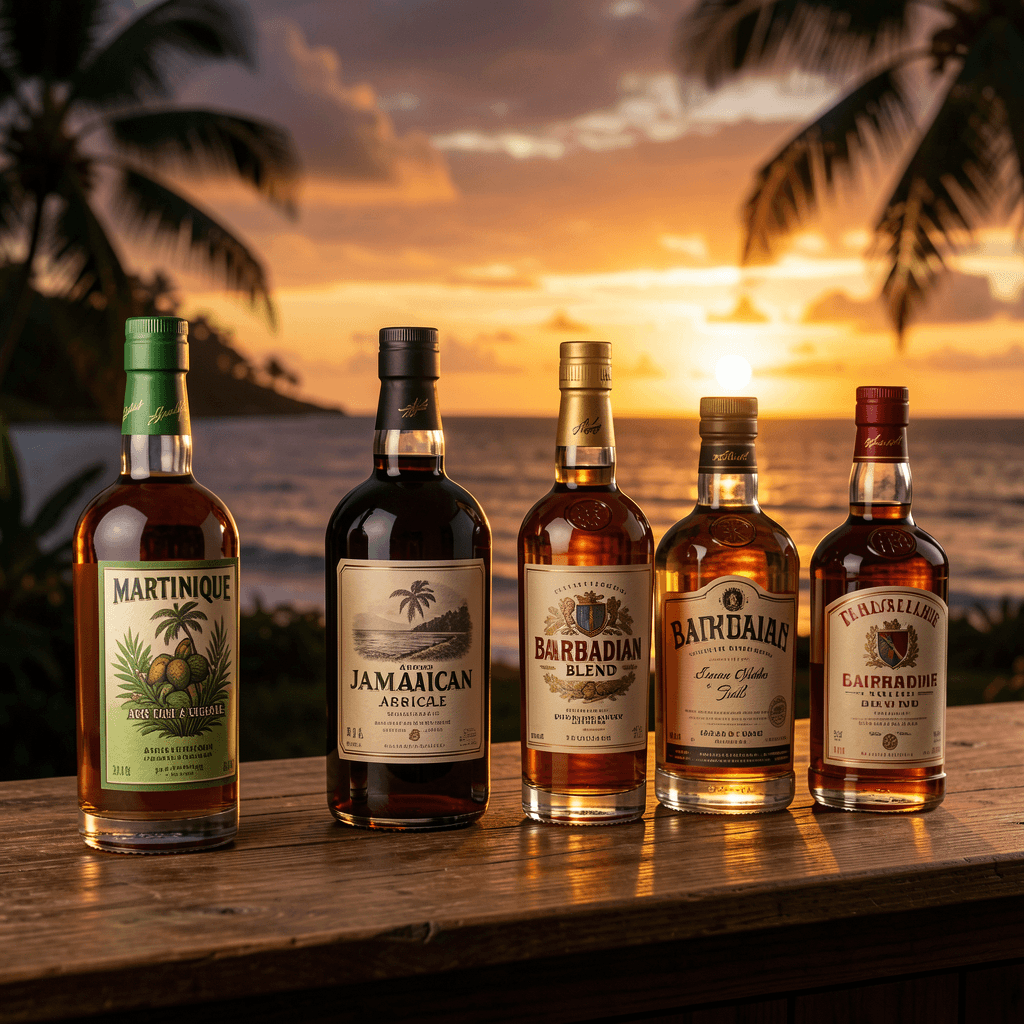
Most people who collect rum know what they like. A Jamaican pot still from Hampden. A Martinique agricole with serious terroir. A well-aged Bajan blend that punches above its price. The bottles accumulate, the shelf fills up, and at some point you realize you have built something genuinely interesting.
But do you actually know what you have built?
Not just the names — the patterns. Which regions dominate your collection. How your style preferences have evolved. How many of your bottles contain added sugar without disclosing it on the label. What your collection says about you as a collector.
That is the difference between a shelf of rum and a rum collection with meaning.
Why Rum Is the Most Complex Spirit to Track
Whisky has clear regional rules, age statements, and distillery transparency. Wine has appellations, grape varieties, and centuries of documentation. Rum has almost none of that — and that complexity is exactly what makes it fascinating.
A bottle labeled "aged 12 years" in rum can mean very different things depending on where it was made. In some countries, the solera system allows a rum to carry an age statement based on the oldest component in the blend, even if the average age is much lower. In others, 12 years means 12 years in a single cask.
Sugar addition is another invisible variable. Many commercial rums add dosage after distillation — sometimes several grams per liter — to smooth out the flavor and appeal to a wider audience. This is not regulated in most countries and is rarely disclosed on the label. Two bottles that look similar on a shelf can have fundamentally different production philosophies.
Then there is the agricole question. Rhum agricole, made from fresh sugarcane juice rather than molasses, is a completely different animal — lighter, more vegetal, more terroir-driven. But unless you know what you are looking at, a bottle from Martinique and a bottle from Jamaica look equally opaque on a shelf.
Tracking all of this manually is impossible. Which is why the data matters.
The Rum Data That Actually Changes How You Collect
When Alcotheque scans a rum label, it does not just extract the name and vintage. It extracts a full metadata profile specific to rum:
Style — agricole, industrial, pot still, column still, or blended. This single field tells you more about what is in the bottle than almost anything else on the label.
Region — Jamaica, Barbados, Martinique, Cuba, Guatemala, Trinidad, Guyana, Réunion, or other. Each region has its own production traditions, flavor conventions, and collector relevance.
Aging system — solera, linear, single cask, or unaged. Understanding how your bottles were aged helps you interpret age statements accurately and spot marketing language that does not mean what it implies.
Sugar added — yes or no. This is one of the most practically useful data points for collectors who care about what they are actually drinking. Alcotheque uses production knowledge to flag this even when the label is silent.
Rarity score — a 0-100 indicator of how scarce the bottle is, based on production volume, distillery status, and release type.
Market position — entry, mid-range, premium, ultra-premium, or collector. Useful for understanding the shape of your collection at a glance.
When you have this data for every bottle in your collection, something interesting happens: patterns emerge.
What the Insights Actually Show You
Imagine looking at your rum collection and immediately seeing:
- 60% of your bottles are Jamaican or Martinique origin — you clearly have a terroir preference
- 4 of your 12 bottles have added sugar, which explains why you reach for the other 8 more often
- Your collection skews heavily toward solera-aged expressions — you might enjoy exploring linear aging
- You have zero unaged rums, which means you have never experienced white rum at its most raw and expressive
None of this information is obvious from looking at labels. All of it is genuinely useful for making better buying decisions, understanding your own palate, and building a collection with coherence rather than just accumulation.
This is what the Spirit Insights section in Alcotheque shows you — not just charts for the sake of charts, but patterns that change how you think about your next purchase.
Building a Rum Collection Worth Tracking
If you are building a rum collection from scratch, or trying to bring structure to an existing one, here is how to think about it through the lens of what the data will eventually tell you.
Anchor in one region first. Choose a region you genuinely connect with and go three or four bottles deep before expanding. Martinique is an excellent starting point for European collectors — the AOC regulations mean every agricole from the island meets a quality threshold, and the flavor range from entry to premium is significant. Jamaica rewards collectors who want intensity and complexity from the very first pour.
Diversify by production method, not just brand. A collection of five different agricoles from Martinique is less interesting than one agricole, one Jamaican pot still, one Barbadian column still blend, and one solera-aged Guatemalan. Each represents a fundamentally different production philosophy.
Track opened versus sealed separately. Rum makes an excellent gift and a serious collector piece in equal measure. Alcotheque lets you log whether bottles are sealed or opened, track when you opened them, and note how the rum evolves over weeks once exposed to air.
Log the gifts with their story. Rum is one of the most gifted spirits in the world. A bottle brought back from Martinique by a friend, a distillery exclusive from a special trip, a birthday bottle from someone who knows your taste — these bottles carry context that a name and a date cannot capture. The gift tracking feature in Alcotheque was built for exactly this.
Pay attention to your sugar data over time. As you add more bottles and the sugar-added field accumulates data, you will start to see whether you genuinely prefer unsweetened rums or whether some of your favorites are sweetened expressions you have never consciously noticed. That is genuinely interesting self-knowledge for any collector.
The Rum Regions Worth Understanding
For collectors who want to build something coherent, here is a fast map of the major rum regions and what makes each one collectible.
Martinique — The most regulated rum origin in the world. AOC Martinique status means strict rules on everything from the sugarcane varieties to the distillation proof. These are agricole rums almost by definition, and the terroir variation between producers is real and trackable.
Jamaica — High-ester pot still rum at its most expressive. The ester levels in Jamaican rum are the highest of any major region, producing funky, fruity, complex spirits that age extraordinarily well. Hampden, Worthy Park, and Clarendon are the three most collectible distilleries.
Barbados — The balanced middle ground. Barbadian rums blend pot still and column still distillates with a lightness and elegance that makes them approachable but serious. Foursquare is the benchmark for collector-grade Bajan rum.
Guyana — Home of Demerara rum and the historic Port Mourant wooden pot still, one of the most distinctive distillation vessels in the spirits world. Aged Guyanese rums from independent bottlers represent some of the best value in serious rum collecting.
Guatemala — Best known for the Zacapa brand and its solera aging system. Guatemalan rum tends toward sweetness and richness, and sugar addition is common. Worth having in a collection, but worth tracking the data on.
FAQ
What is the difference between agricole and industrial rum?
Agricole rum is distilled from fresh sugarcane juice, producing a grassy and cane-forward character. Industrial rum is made from molasses, a byproduct of sugar production, giving a richer and sweeter profile. Both are worth collecting but taste very different.
Does sugar get added to rum?
Yes, many Caribbean and Latin American rums add sugar after distillation to round out the flavor. This is not always disclosed on the label. Tracking this in your collection helps you understand your own taste preferences over time.
What rum regions are most interesting for collectors?
Martinique (regulated agricole), Jamaica (high-ester pot still), Barbados (balanced blends), and Guyana (historic Demerara) are the four most distinct and collectible regions. Each produces a completely different flavor profile.
What is a solera aging system in rum?
Solera is a fractional blending system where barrels are partially refilled with younger rum over time. It produces consistent house styles but makes age statements complex. Not all solera rums disclose the system on the label.
What is the best app to track a rum collection on iPhone?
Alcotheque is the only iOS app that tracks rum-specific metadata including style, region, aging system, sugar content, and rarity score. It extracts this data automatically from the bottle label using AI.
The Bottom Line
Rum is the most complex and least documented major spirit category in the world. That opacity is part of what makes it endlessly interesting to collect — but it also means that the data you track about your bottles matters more than it does for any other spirit.
Knowing your collection at the label level is just the beginning. Knowing it at the data level — style, region, aging system, sugar content, rarity — is what turns a shelf of bottles into a collection that teaches you something every time you look at it.
Scan your first bottle and see what the data says.