
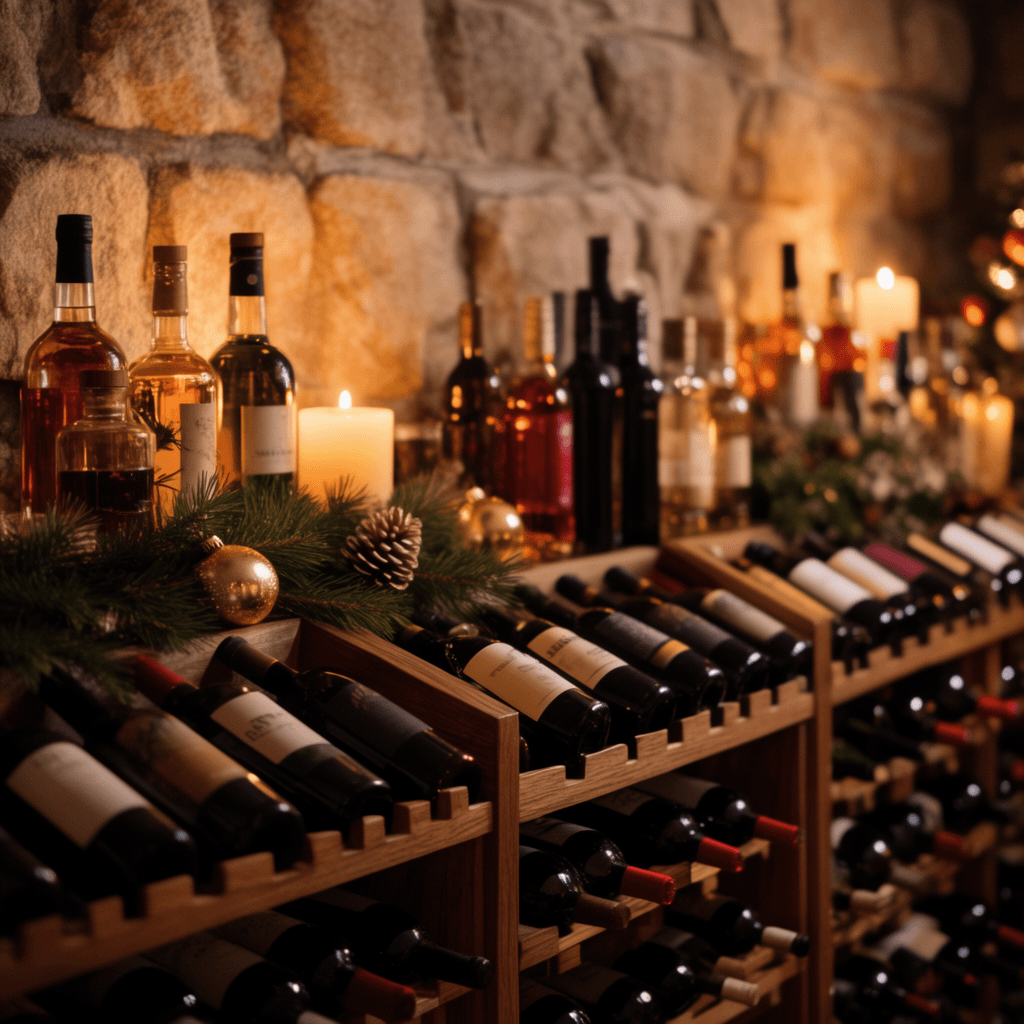
How to Prepare Your Wine and Spirits Cellar for the Holidays
The holidays arrive the same way every year: faster than expected, with more people coming than you planned for, and a realization that the cellar does not quite look the way you imagined it would.
Late October is the right moment to fix that. Not because there is a crisis, but because six weeks of lead time makes every decision easier. You can order without rushing. You can find gaps before they matter. You can arrive at the first Christmas dinner knowing exactly what you have and where it is.
This guide walks through the preparation in order. What to audit, what to stock, how to organize, and how to track everything that comes in and goes out over the holiday season.
Step One: Take Stock of What You Have
The first step is also the one most people skip. They assume they know what is in the cellar. They are usually wrong, or at least incomplete.
A proper cellar audit before the holidays serves three purposes. It tells you what you actually have versus what you think you have. It reveals bottles that are ready to drink now that you may have been saving for too long. And it shows you the gaps you need to fill before December arrives.
If your collection is tracked in Alcotheque, this takes about five minutes. Filter by location, check the status of bottles you have been saving, and look at the full picture. If your collection is not yet tracked, this is the single best moment to scan everything. An hour in October means you arrive at Christmas with a real inventory rather than an optimistic guess.
When you audit, look specifically for:
Bottles you have been saving for a special occasion that never came — the holidays are a legitimate reason to open them.
Bottles that are approaching or past their optimal drinking window — better to open them now than to wait until they are past their peak.
Gaps in the categories you know you will need — Champagne, a serious red for the main course, a digestif for after dinner, a gin for aperitif cocktails.
Step Two: Identify What to Stock
Once you know what you have, the gaps become obvious. Here is a practical framework for what a well-prepared holiday cellar should cover.
Champagne and sparkling wine The most important category for the holidays and the one most likely to run short. A minimum of one bottle per two guests for the aperitif is a safe starting point. If you are hosting Christmas Eve and Christmas dinner separately, double that. A quality grower Champagne always lands better than a well-known supermarket brand at the same price.
A serious red for the main course This depends on what you are cooking. A beef main calls for a structured Bordeaux or a serious Burgundy. Lamb works beautifully with either. Game wants something with age and depth. Whatever you choose, open it two hours before serving and taste it first. Not every bottle survives as long as expected.
A versatile white A Chablis or white Burgundy covers both the guests who prefer white with everything and the early courses. If you are serving fish or shellfish at any point, having a good white matters.
Digestifs A cognac or Armagnac for the end of the evening. A port or Sauternes if you serve dessert wine. A quality whisky for the guests who prefer spirits to wine. These are the bottles that get opened last and remembered longest.
Gin and cocktail ingredients If you serve aperitif cocktails, a quality gin and the basics cover almost everything. A gin and tonic with a serious gin is a better aperitif than a mediocre Champagne.
Step Three: Buy Early
The two categories that require the most lead time are wine that needs cellaring and allocated spirits.
Wine that needs rest Any wine that has been recently moved, whether you bought it at a wine merchant or received it as an early Christmas gift, benefits from a few weeks of rest before being served. Wine that has been transported can show travel shock in the glass. Buy your serious bottles in October, not the week before Christmas.
Allocated spirits If you are hoping to find a specific whisky, rum, or gin that is difficult to find, start looking now. Distillery exclusives and limited releases sell out faster in the weeks before Christmas, and the online merchants who carry them often run out of stock in November. The bottle you want in December is easier to find in October.
Step Four: Organize for the Season
A cellar that is well-organized for normal life may not be set up for the specific demands of the holiday season. A few adjustments make a significant difference.
Group by occasion Before the holidays start, create a temporary grouping by occasion rather than by type. The bottles for Christmas Eve aperitif together. The wines for Christmas dinner together. The digestifs together. This means you are not searching the cellar in the middle of hosting.
Check temperatures If you have wine that needs to be served cold, check that your wine fridge or cold room is working correctly before December arrives. A wine fridge failure the week before Christmas is a real problem. Checking it in October is a non-issue.
Set aside bottles not for the holidays If you have bottles you are saving for other occasions, physically separate them from the holiday stock. Nothing is more frustrating than reaching for a bottle on Christmas Day and realizing it was the one you were saving for something else.
Step Five: Plan the Gift Tracking
The holidays are when the bottles come in. People bring Champagne when they arrive. They give whisky as Christmas gifts. Someone brings a beautiful bottle from a recent trip that you have never heard of. By New Year's Day, you have a shelf of new bottles and an increasingly vague memory of where each one came from.
This is the moment to have a system in place before it happens.
The workflow is simple: when you receive a bottle, scan it immediately. Alcotheque extracts the name, type, vintage, and producer automatically from the label. You then log who gave it, the occasion, and the date. Thirty seconds per bottle.
When you open that bottle of aged rum eighteen months from now, everything will still be there. Who gave it, when, why. The story behind the gift is part of what makes opening it special. Do not let it disappear with the wrapping paper.
The birthday bottles story on this blog covers exactly why this matters.
Step Six: Track What Goes Out
The holidays are also when bottles leave. You bring a bottle to a dinner. You give a whisky as a gift. You open a bottle you were saving that ends up being shared with unexpected guests.
Tracking what leaves your collection is as important as tracking what arrives. Your inventory is only accurate if it reflects reality, and the holiday season is when the most movement happens.
In Alcotheque, marking a bottle as consumed, gifted, or shared takes a few seconds. Over the year, this history builds into something genuinely interesting to look back on — what you opened on significant occasions, what you gave and to whom, and what you received in return.
The Holiday Cellar Checklist
Six weeks before Christmas: Scan and audit your full collection. Identify gaps. Order allocated bottles and anything that needs rest time.
Four weeks before: Your serious purchases should arrive and be resting. Check your wine fridge and storage temperatures.
Two weeks before: Organize by occasion. Separate bottles reserved for specific events or gifts. Make sure you have enough Champagne.
One week before: Check the condition of any bottles you are planning to open. Pull reds that need to be served at room temperature a day early. Have your scanning workflow ready for incoming gifts.
During the holidays: Scan every bottle you receive the same evening. Log who gave it and the occasion. Track what you open and share.
FAQ
How far in advance should I prepare my cellar for Christmas?
Six to eight weeks before Christmas is ideal. This gives you time to take stock of what you have, identify gaps, order anything that needs time to arrive, and ensure bottles that need cellaring have enough time to rest after being moved.
What wines should I stock for Christmas dinner?
A serious red from Burgundy or Bordeaux for the main course, a quality Champagne for the aperitif, and a dessert wine or older vintage port for after dinner covers most occasions. Add a versatile white like a Chablis or white Burgundy for guests who prefer it.
How do I know what I already have in my cellar?
A dedicated app like Alcotheque gives you a real-time inventory of every bottle, organized by location, type, and status. If your collection is not yet tracked, doing a full inventory scan in October means you arrive at Christmas knowing exactly what you have.
What spirits should I have at home for the holidays?
A quality Champagne or sparkling wine for arrivals, a whisky for post-dinner sipping, a cognac or Armagnac for the very end of the evening, and a gin for aperitif cocktails covers most holiday gatherings well.
How do I track all the bottles I receive as Christmas gifts?
Scan each bottle as you receive it using Alcotheque and log who gave it, the occasion, and the date. Thirty seconds per bottle means you never forget the story behind a gift, even when you open it two years later.
The Bottom Line
A well-prepared holiday cellar is not about having the most bottles or the most impressive labels. It is about knowing what you have, filling the gaps that matter, and being ready for everything that happens over six weeks of dinners, gifts, and gatherings.
Start now. The six weeks between October and December is exactly the right amount of time to do this properly.
